
Red Hill Buyers Agent & Registered Valuer
Red Hill Buyers Agent & Registered Valuer
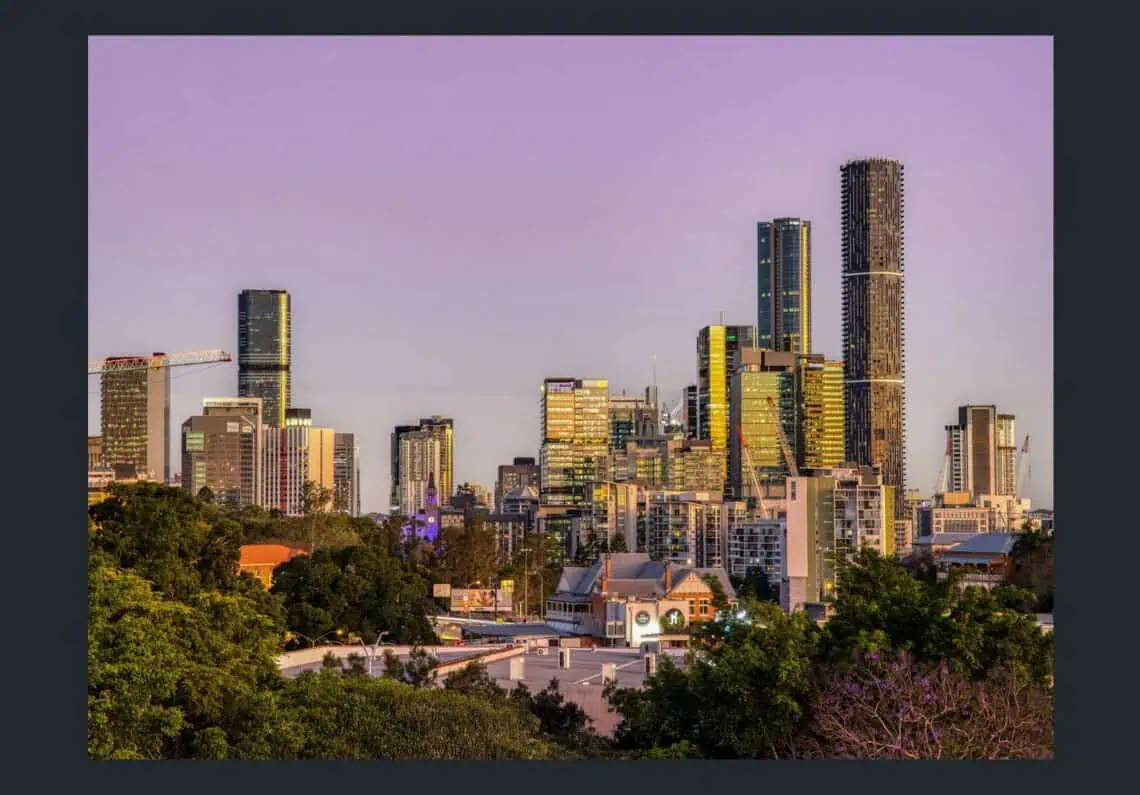
Red Hill is one of Brisbane’s most distinctive inner-city suburbs and one of its most misread. The streets are steep, the ridgelines carry city views that few suburbs can match. Almost every block behaves differently from the one next to it.
As a Registered Property Valuer and Buyer’s Agent working across the inner west every day, I know which pockets carry a premium, which slopes are a builder’s problem rather than a buyer’s opportunity and which properties have just quietly been added to a flood overlay their owners have not mentioned.

Where is Red Hill, QLD 4059?
Red Hill is an inner-city Brisbane suburb approximately 3.2 kilometres north-west of the CBD, postcode 4059. It shares its borders with Paddington, Bardon, Ashgrove, Newmarket, Kelvin Grove and Petrie Terrace.
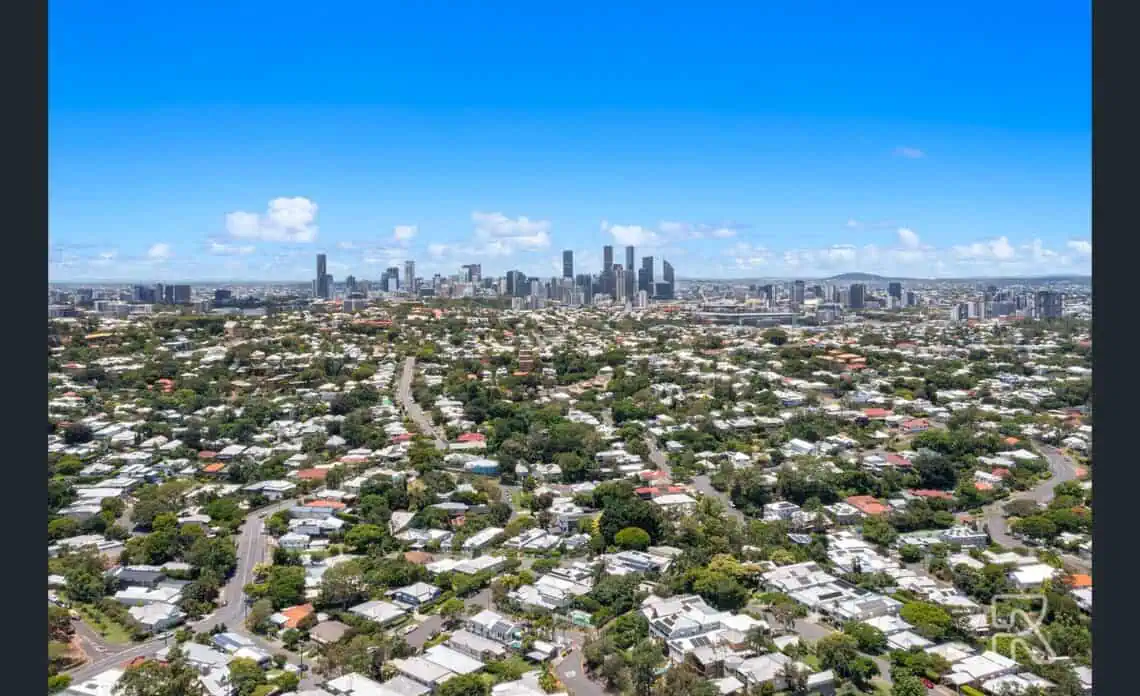
Red Hill is defined above all else by its topography. The suburb takes its name from the red subsoil that showed itself as soon as the first cuttings were dug to ease the gradients of the tracks. In parts the slopes approach 45 degrees. That steepness shaped everything that followed. It kept the large-format retail out, it left the streets divided by embankments and it preserved a concentration of pre-war worker’s cottages and Queenslanders that has few equals this close to the city.
The suburb was subdivided for semi-rural estates in the 1860s and settled in earnest through the 1870s. It became part of the Shire of Ithaca in 1887, the Town of Ithaca in 1903 and was absorbed into Brisbane City Council in 1925. The old suburb of Ithaca itself ceased to exist in 1975 and its locality was folded into Red Hill, which is why the name still turns up on the creek, the embankments and the old council chambers on Enoggera Terrace.
Red Hill fell out of fashion through the 1940s to the 1960s as post-war housing drew buyers to the outer suburbs. By the 1970s its proximity to the city, elevated views and colonial architecture had brought it back. It has not looked back since. Today the suburb attracts a broad mix of young professionals, couples, families and downsizers, with a predominant age group of 20 to 29 and an owner-occupier rate of 52.1%. That lower owner-occupier share compared with Ashgrove or The Gap is not a weakness. It reflects a deep, permanent rental market driven by proximity to the CBD, QUT Kelvin Grove and the inner-city hospital precinct. It is one of the reasons Red Hill has long been a favourite with investors.

Suburb Data & Lifestyle
Updated August 2026
- Median House Value: $1,807,892 (reflecting 16% annual growth)
- Median Unit Value: $920,438 (up 24.5% over twelve months, on strong demand for well-located boutique stock)
- Owner Occupancy: 52.1%, reflecting a suburb that sustains both a committed owner-occupier base and one of the inner west's deepest rental markets.
- Red Hill is defined by its slopes and its ridgelines. The difference between an elevated block with a protected city outlook and a steep, south-facing block with a difficult driveway can be several hundred thousand dollars and it is not always obvious from a photograph. Red Hill also has no mainstream state primary school of its own, which makes catchment checking more important here than in almost any neighbouring suburb.
Market Overview
Red Hill is a supply-constrained inner-city market with a long record of resilience. The suburb has roughly 1,655 houses. Just 15 of them are currently listed for sale. Only 57 unique houses have come to market in the past twelve months. The topography that makes the suburb distinctive also makes it nearly impossible to add new detached stock. The pre-1947 housing that dominates the streetscape is protected by character controls that limit demolition.
That scarcity, combined with a location three kilometres from the CBD and immediately adjacent to Paddington and Kelvin Grove, has produced sustained growth across multiple cycles. Houses are currently selling in a median of 20 days with a median vendor discount of around 2.3%, which is one of the tightest discount figures anywhere in the inner west.
Why Use a Buyer's Agent in Red Hill?
- Red Hill is the most topographically complex suburb in Brisbane's inner west and slope is the single biggest driver of value here. A block that looks similar to its neighbour on a listing photo can carry a fundamentally different build cost, outlook, driveway access and resale profile. Reading that correctly is a technical exercise, not an aesthetic one.
- True Value Assessment: As a Registered Property Valuer, I provide a formal appraisal before you make any offer. You will know exactly what a property is worth before you negotiate.
- Off-Market Access: I have strong relationships with selling agents across Brisbane's inner west. With only 15 houses listed in the entire suburb at any one time, a meaningful share of quality Red Hill stock changes hands before it reaches realestate.com.au.
- Strategic Negotiation: Whether it is a quiet private treaty or a competitive auction, I handle the tactics and the numbers so you do not overpay.
- Due Diligence: Character controls, creek-line flood exposure, unapproved renovations on steep sites, retaining wall condition and main-road traffic are all live issues in Red Hill. I know where the risks sit and what to look for.
Valuer’s Perspective
The 4059 Market in August 2026: Red Hill is tight and getting tighter. Houses are moving in a median of 20 days, the median vendor discount has narrowed to around 2.3%, one of the tightest anywhere in the inner west. There are only 15 houses on the market across the entire suburb. In that environment the buyer who arrives without a considered view of value tends to either overpay or lose.
The numbers behind the median are more useful than the median itself. The median house sale price over the past twelve months is $1,777,500, but the middle half of all sales fell between $1,490,000 and $2,285,375. That spread of nearly $800,000 across the same suburb is almost entirely explained by slope, aspect, land utility and street. Two houses of similar size and condition, four hundred metres apart, can sit at opposite ends of it.
There are three things I look at first in Red Hill. The first is elevation and outlook. The second is the practical usability of the land once you account for the fall. The third is the condition of any retaining structures. Steep sites carry real cost. Retaining walls, driveway gradients, excavation and access for trades all add up. They are rarely reflected in the asking price. On the other side of the ledger, a well-positioned elevated block with a protected northern or eastern outlook is scarce this close to the city. Those properties consistently outperform the suburb median.
The other issue every Red Hill buyer should understand is flood. Red Hill is a ridge suburb, so most of it sits comfortably above flood level. But Ithaca Creek runs through the suburb to join Enoggera Creek. The Breakfast Creek catchment flood study completed in September 2024 resulted in a substantial expansion of the flood overlay across this part of Brisbane, with Red Hill among the suburbs affected. Some properties that were not previously mapped now are. That has consequences for insurance premiums and for resale. It is not something a selling agent is obliged to raise with you. I check the flood overlay on every property I assess.
As a Registered Property Valuer with 25+ years of experience across Brisbane’s inner west, I bring a level of technical rigour to a suburb like Red Hill that most buyer’s agents simply cannot offer. In a market this varied street by street, that is the difference between a good purchase and an expensive lesson.

Where to Buy in Red Hill - The Best Pockets
Not all of Red Hill is equal. Here is where I see the strongest long-term value.
The Enoggera Terrace ridge: The elevated spine of the suburb, carrying the outlooks that define Red Hill’s appeal. Properties along and just off the ridge with a protected city or district outlook are the suburb’s most consistent performers.
Upper and Lower Clifton Terrace: Some of the finest positions in the suburb, with real city views and a concentration of restored character homes. Prices here reflect that. They hold.
The quiet streets between Musgrave Road and Windsor Road: Away from the arterial frontages, this pocket offers walkability to the Musgrave Road strip and the Normanby without the traffic exposure.
The Fulcher Road and Gilbert Park side: A more residential, family-oriented pocket, with the park, the dog park and the sporting facilities immediately at hand. Larger blocks appear here more often than elsewhere in the suburb.
What to watch out for: Properties fronting Musgrave Road, Waterworks Road, Enoggera Terrace or Windsor Road carry meaningful traffic noise. In June 2025 Brisbane City Council extended clearway hours on the Musgrave Road and Waterworks Road corridor to 6am until 7pm, seven days a week. Kerbside parking on that stretch is now unavailable for thirteen hours a day, every day, which is material if you are buying a property that relies on it. Low-lying properties near the Ithaca and Enoggera Creek margins need careful flood assessment. And steep south-facing blocks with difficult vehicle access are the most common trap in this suburb, because the price often does not reflect the cost of making them work.
All of these properties can still represent good value. They simply need proper due diligence and accurate pricing.
Characteristic Features
Red Hill’s housing stock is dominated by timber and tin worker’s cottages and traditional Queenslanders built from the 1880s through to the 1940s, sited on blocks that fall away sharply from the street. The suburb was never flattened for development because it could not be. That accident of geology is the reason so much of its original streetscape survives.
The steepness produced its own architecture. Houses are frequently built high at the front and dug in at the rear, or perched on stumps that put the living level a full storey above the ground. Many have been raised and built in underneath over the past three decades, which is the standard Red Hill renovation and the reason so much of the suburb’s stock has a modern footprint behind a pre-war face.
The other legacy of the terrain is the Ithaca Embankments, the dry-stone retaining walls and rock gardens built along Musgrave Road, Waterworks Road and Windsor Road by Ithaca Town Council’s landscape gardener Alexander Jolly between roughly 1917 and 1923. They were added to the Queensland Heritage Register on 2 March 1993 and they remain one of the most recognisable features of the suburb.
Red Hill’s demographic mix is broad: students, young professionals, couples, families and long-term residents. That range of appeal contributes to consistent turnover and a resilient market across the full cycle.


- Red Hill takes its name from the red subsoil exposed by the first road cuttings. In parts of the suburb the slopes approach 45 degrees.
- The Windsor Brass Foundry operated in Windsor Road near Storie Street from 1874 until 1973, very nearly a century.
- Red Hill became part of the Shire of Ithaca in 1887, the Town of Ithaca in 1903 and was absorbed into Brisbane City Council in 1925.
- The Windsor Road Baptist Church was completed in 1888, designed by John Nicholson and built for £1,200 including the site. It is still operating and sits on the Brisbane Heritage Register.
- The current Normanby Hotel building opened on 1 December 1890, built for publican Elizabeth Sophia Burton and extended in 1917 by G.H.M. Addison.
- Tram services opened along Musgrave Road and Enoggera Terrace in 1897 and 1898. The last electric trams ran along Waterworks Road, Musgrave Road and Enoggera Terrace in August 1968, a few months before Brisbane's tram network closed for good in April 1969.
- St Brigid's Church at 78 Musgrave Road was built between 1912 and 1914 to a design by Robin Dods, seats 1,000 and was added to the Queensland Heritage Register on 21 October 1992.
- The Red Hill Skate Arena on Enoggera Terrace began life as an open-air picture theatre in 1912, became an enclosed cinema in 1920, a music venue in 1964, a roller-skating rink in 1965 and was gutted by arson on Boxing Day 2002. It sat derelict for seventeen years before reopening as Red Hill Cinemas on 30 November 2019.
Top 3 Searches for Due Diligence
1947 Aerial Photography
Much of Red Hill’s pre-1947 housing stock sits within Brisbane City Plan 2014’s Traditional Building Character overlay, which restricts the demolition of pre-war houses. Searching 1947 aerial photography through council records is how you establish whether a building is pre-war and therefore whether those restrictions apply. Houses built before 1911 are generally to be retained. Coverage is assessed lot by lot, so this is a per-property check, not a suburb-wide assumption.
Council Building & Renovation
Red Hill has an exceptionally high proportion of homes that have been raised and built in underneath. Not all of that work was approved. On steep sites the stakes are higher than usual: retaining structures, excavation and under-house habitable space all attract building requirements that unapproved work routinely misses. Checking council records for building and renovation approvals is essential. Unapproved work can complicate settlement, affect your ability to insure or refinance and require costly rectification.
Flood Zone Check
Red Hill is a ridge suburb and most of it sits well above flood level, but Ithaca Creek runs through it to join Enoggera Creek. The low-lying margins along those creek lines carry real exposure. The Breakfast Creek catchment flood study completed in September 2024 led to a significant expansion of the flood overlay across this part of Brisbane. A number of Red Hill properties are now mapped that were not before. That affects insurance and it affects resale. Check every property on Brisbane City Council’s Flood Awareness Map before you make an offer. To find out how to undertake a flood search, refer to my blog: How to check if a property is flood affected in Brisbane?
Education
Red Hill has no mainstream state primary school of its own, which makes catchment checking more important here than almost anywhere else in the inner west. Depending on the exact address, Red Hill properties fall into the catchments of Petrie Terrace State School, Ithaca Creek State School or Kelvin Grove State College. Petrie Terrace State School operates an equidistant catchment, which means the boundary is derived from relative distance and runs through the suburb rather than around it. Two houses in the same street can fall on opposite sides of it.
Always confirm the catchment for a specific address using the Queensland Government’s EdMap tool before you make an offer. To find out how to investigate school catchments in Red Hill and Brisbane, please refer to my blog located here: How to investigate school catchments in Brisbane?
Pre-Schools and Day Care
-
Goodstart Early Learning Red Hill
19 Fulcher Road, Red Hill. Two years to school age, open 6.30am to 6.30pm weekdays. Awarded an Excellent rating in 2024, one of a small number of services nationally to hold it. -
Lady Gowrie Red Hill Community Kindergarten
95 Enoggera Terrace, Red Hill. A play-based community kindergarten that has served local families since 1956. - Additional long day care and kindergarten options are available throughout Paddington, Kelvin Grove, Bardon and Ashgrove, all within a short drive.
Schools
-
Petrie Terrace State School
Co-Ed Public Primary School
40 Moreton Street, Paddington (07) 3259 9333 -
Ithaca Creek State School
Co-Ed Public Primary School
49 Lugg Street, Bardon (07) 3514 9333 -
Kelvin Grove State College
Co-Ed Public Primary and Secondary School (Prep to Year 12)
L'Estrange Terrace, Kelvin Grove (07) 3552 7333 -
Red Hill Special School
Early Childhood to Year 12, Special Education
Waterworks Road Campus: 74 Waterworks Road, Red Hill (07) 3291 9333
Fulcher Road Campus: 109 Fulcher Road, Red Hill (07) 3097 3888 -
Marist College Ashgrove
Boys Private School (Years 5-12)
Frasers Road, Ashgrove (07) 3858 4555 -
Mt St Michael's College
Girls Private School (Years 5-12)
67 Elimatta Drive, Ashgrove (07) 3858 4222

Shops, Cafes and Lifestyle
Red Hill’s retail and dining sits along Musgrave Road, Waterworks Road, Enoggera Terrace and Windsor Road, in a series of small strips rather than one large centre. The topography that shaped the suburb also kept the shopping centres out, which is why the local retail here still feels like corner stores and neighbourhood cafes rather than a mall.
The Normanby Hotel at 1 Musgrave Road anchors the eastern end of the suburb. The current building dates to 1890, was extended in 1917, is heritage-listed and has come through a multi-million dollar redevelopment. Red Hill Cinemas on Enoggera Terrace occupies the old Skate Arena building and runs five screens.
For coffee and breakfast, Little Red Bakery at 14 Enoggera Terrace is the local institution, working out of a restored heritage corner building over two levels with a courtyard out the back. Gramps Cafe at 110 Windsor Road does all-day brunch from an old weatherboard cottage. Botanica has run its Enoggera Terrace site for more than a decade.
The Broncos Leagues Club sits at 98 Fulcher Road, inside Red Hill, alongside the Brisbane Broncos training ground at Gilbert Park. The Red Hill Community Sports Club, formerly the Ithaca Bowling Club, operates from the same park.
Red Hill does not have a full-line supermarket of its own. Most residents use Coles at The Barracks on Petrie Terrace, which is a short drive or a walk for the eastern half of the suburb, or the Newmarket centres to the north. Paddington’s Given Terrace and Latrobe Terrace strip and the Rosalie Village precinct are both within a few minutes.
Health
Red Hill is well served by medical practitioners, with doctors’ surgeries, dentists and allied health along the Musgrave Road and Waterworks Road corridors. The full range of specialist services is available in the nearby Herston hospital precinct, which includes the Royal Brisbane and Women’s Hospital.
Employment
Most Red Hill residents commute to the city, with the CBD just over three kilometres away. Walking and cycling are practical daily options for much of the suburb, though the return trip is uphill in every direction. The suburb also has a high proportion of professionals and self-employed residents operating from home offices and local shopfronts. QUT’s Kelvin Grove campus and the Herston hospital precinct are both immediately adjacent, which is a significant local employment draw.
Transport
Red Hill is very well placed for city access. At just over three kilometres from the CBD, walking and cycling are realistic options. Frequent Brisbane City Council bus services run along Musgrave Road and Waterworks Road into the city via the Normanby Fiveways. Additional services run along Arthur Terrace and Kennedy Terrace.
Red Hill has no train station. Normanby busway station on the Inner Northern Busway sits at the suburb’s south-eastern edge and provides rapid transit into the CBD and north to Herston and Kelvin Grove. The original Normanby railway station opened in 1882 and closed in 1966.
One thing worth knowing before you buy on a main road: in June 2025 Brisbane City Council extended clearway hours on the Musgrave Road and Waterworks Road corridor from Countess Street through to Settlement Road. Clearways now operate 6am to 7pm in both directions, seven days a week, including weekends. If a property depends on kerbside parking on that corridor, it no longer has it.
Parks
Gilbert Park on Fulcher Road is the suburb’s main recreational hub, covering 3.67 hectares with a children’s playground, a dog park, the Brisbane Broncos training ground and the Red Hill Community Sports Club. Woolcock Park, on the Red Hill and Ashgrove fringe behind Waterworks Road, has playground and picnic facilities and sits on the Ithaca Creek Bike Route. Smaller parks at Bridge Street, Clyde Street, Lugg Street and Praed Street serve individual pockets.
Victoria Park, or Barrambin, sits a short distance east across Kelvin Grove. It is the site of the Brisbane Stadium being built for the 2032 Games. Under the revised masterplan announced in May 2026 approximately two-thirds of the parkland is to remain publicly accessible green space. Major areas of the park are currently closed for construction.
Noise
Red Hill is not beneath any major flight paths, so aircraft noise is not a concern. The busiest roads are Musgrave Road, Waterworks Road, Enoggera Terrace and Windsor Road. Properties on or adjacent to them carry meaningful traffic noise. The Musgrave Road and Waterworks Road corridor was Council’s first priority under the Brisbane Clearway Action Plan, which tells you plenty about the volume it carries. Quiet residential streets away from those corridors are noticeably more peaceful. The elevation across much of the suburb helps.
The Normanby Fiveways at the suburb’s south-eastern corner carries significant traffic, though the Inner City Bypass, the Go Between Bridge and the Legacy Way tunnel have pulled a good deal of the long-distance load away from it. Suncorp Stadium is close enough that event nights bring foot traffic and parking pressure to the southern edge of the suburb.
Flooding
Red Hill is a steep ridge suburb and most properties sit well above flood level, but Ithaca Creek runs through the suburb to join Enoggera Creek. The low-lying margins along those creek lines are flood-affected. The Breakfast Creek catchment flood study completed in September 2024 led to a substantial expansion of the flood overlay across this part of Brisbane, with Red Hill among the suburbs affected. A number of properties are now mapped that previously were not. To find out how to undertake a flood search in Red Hill, please refer to my blog: How to check if a property is flood affected in Brisbane?
Demographics
Credit 2021 Census & Cotality (RP Data) suburb report, August 2026
- Population of Red Hill: 5,834
- Population growth 2016 to 2021: 4.9%
- Owner occupancy: 52.1% (up from 50.5% in 2016)
- Predominant age group: 20 to 29
- Average length of ownership: 11 years
- Distance from the Brisbane CBD: 3.2 kilometres
- Total houses in the suburb: 1,655
- Total units in the suburb: 850
- Households are primarily couples with children
House Insights for Red Hill Updated August 2026
- The median house value in Red Hill: $1,807,892
- The median house sale price in Red Hill over the last 12 months: $1,777,500
- Price growth for houses in Red Hill over the last 12 months: 16%
- The number of houses sold in Red Hill in the last 12 months: 77
- Median time on market for a house to sell in Red Hill: 20 days
- Median vendor discount for a house in Red Hill: 2.3%
- Houses currently listed for sale in Red Hill: 15
Unit Insights for Red Hill Updated August 2026
- The median unit value in Red Hill: $920,438
- The median unit sale price in Red Hill over the last 12 months: $900,000
- Price growth for units in Red Hill over the last 12 months: 24.5%
- The number of units sold in Red Hill in the last 12 months: 27
- Median time on market for a unit to sell in Red Hill: 10 days
- Units currently listed for sale in Red Hill: 7
Rental returns for Houses in Red Hill Updated August 2026
- Indicative gross rental yield for a house in Red Hill: 2.68%
- Median asking rent for houses in Red Hill: $800 per week
Rental returns for Units in Red Hill Updated August 2026
- Indicative gross rental yield for a unit in Red Hill: 3.4%
- Median asking rent for units in Red Hill: $550 per week
Considering buying a property in Red Hill?
Here are 3 sales of properties in Red Hill to give you an idea of values:

3/19 Windsor Road, Red Hill, Qld 4059
2 bedroom, 2 bathroom, 1 car apartment on a 103m2 lot with 78m2 of internal space. Sold in June 2026 for $929,000 after 12 days on market.

2 Federal Street, Red Hill, Qld 4059
3 bedroom, 2 bathroom, 3 car character home on 263m2, built in 1920. Sold in June 2026 for $1,540,000 after 31 days on market.

28 Glenrosa Road, Red Hill, Qld 4059
4 bedroom, 3 bathroom, 2 car home on 647m2 with 279m2 of internal space, built in 1930. Sold in June 2026 for $2,800,000.
Red Hill FAQ's
What are the best streets and pockets in Red Hill?
The strongest performers in Red Hill are elevated properties along and just off the Enoggera Terrace ridge and the Upper and Lower Clifton Terrace positions with protected city views. Beyond that, the quiet residential streets between Musgrave Road and Windsor Road offer walkability without the traffic exposure while the Fulcher Road pocket near Gilbert Park suits families looking for a larger block. As a general rule in this suburb, elevation and aspect matter more than almost anything else. I assess Red Hill properties block by block, because the fall of the land changes the answer.
Does Red Hill flood?
Most of it does not. Red Hill is a steep ridge suburb and the majority of properties sit well above flood level. The exposure is concentrated in the low-lying margins where Ithaca Creek runs through to join Enoggera Creek. What has changed recently is the mapping: the Breakfast Creek catchment flood study completed in September 2024 led to a significant expansion of the flood overlay across this part of Brisbane. A number of Red Hill properties are now mapped that were not before. That affects insurance premiums and it can affect resale, so it is worth checking even on a property that has never been near water. I check the flood overlay on every property I assess.
Are the steep blocks in Red Hill a problem?
They are a cost and the question is whether the price reflects it. A steep block means retaining walls, driveway gradients, excavation costs and more expensive access for trades. Those costs are real. They are rarely built into an asking price. On the other hand, elevation is exactly what makes Red Hill valuable. A well-positioned block with a protected outlook is scarce this close to the city. The distinction I draw is between elevation that gives you something and slope that only costs you something. They can look very similar in a listing photo.
How does Red Hill compare to Paddington or Ashgrove?
All three are inner-west character suburbs with limited new supply and consistent demand. Red Hill is the most topographically dramatic of the three and generally offers a lower entry price than Paddington for a comparable character home, with the trade-off being steeper land and smaller blocks. Paddington has the stronger village cafe and dining scene and sits closest to the CBD. Ashgrove offers noticeably larger allotments, a quieter residential setting and the strongest school catchments of the three, at a higher price point. The right choice depends on whether you are buying for land, for lifestyle or for schools.
What are the school catchments in Red Hill?
This is the question I get asked most about Red Hill and the answer surprises people. Red Hill has no mainstream state primary school of its own. Properties fall into the catchments of Petrie Terrace State School, Ithaca Creek State School in Bardon, or Kelvin Grove State College depending on the specific address. Petrie Terrace State School operates an equidistant catchment, which means the boundary is calculated on relative distance and runs through the suburb rather than around it. Kelvin Grove State College is the nearest mainstream state secondary school and is heavily oversubscribed under a negotiated catchment. Always verify a specific address on EdMap before you make an offer. Do not rely on a listing that says “in catchment”.
Is Red Hill a good suburb for investment property?
Red Hill has one of the deepest rental markets in the inner west, driven by proximity to the CBD, QUT Kelvin Grove and the Herston hospital precinct. The owner-occupier rate of 52.1% reflects that. Median asking rent for houses has risen to around $800 a week. Gross yields sit near 2.68% for houses and 3.4% for units, which is typical for a blue-chip inner suburb where the return comes primarily from capital growth rather than income. If income yield is the priority, the unit market here is the more efficient entry point and unit values are up 24.5% over the past twelve months against 16% for houses. As with anywhere in Red Hill, selection matters: slope, flood mapping, main-road exposure and the condition of retaining structures all affect both rental demand and resale.
What is the Traditional Building Character overlay and how does it affect buyers?
Under Brisbane City Plan 2014, the Traditional Building Character overlay applies to pockets of pre-1947 housing across inner Brisbane and much of Red Hill’s housing stock falls within it. It restricts the demolition of character-contributing houses and homes built before 1911 are generally to be retained. In practice that means full demolition of a pre-war house is rarely approved, which protects the streetscape but also limits what you can do with an older home on a good block. You will still see the older term “Demolition Control Precinct” used around the market. That came from City Plan 2000 and no longer applies. Coverage is assessed lot by lot, so check the specific property on Council’s City Plan mapping rather than assuming.
Are there off-market opportunities in Red Hill?
More often than most buyers expect and for a simple structural reason. There are only around 15 houses listed for sale in Red Hill at any given time across a suburb of 1,655 houses. When supply is that thin, quality stock regularly trades between agents and buyers who already know each other, without ever reaching the portals. More than 25+ years of relationships with agents across the inner west is how I hear about those properties early.
Is Red Hill a good suburb to buy in?
Yes, if the block is right. Red Hill is an inner-city suburb approximately 3.2 kilometres north-west of the Brisbane CBD with pre-1947 character housing, ridgeline city views and one of the tightest markets in the inner west. The suburb has roughly 1,655 houses. Only 57 unique houses came to market in the past twelve months and houses currently sell in a median of 20 days with a median vendor discount of around 2.3%.
The trade-off is topography. Almost every block behaves differently from the one next to it, so what a property is worth depends on the block rather than the suburb average. I’m Sam Price, Registered Property Valuer, Licensed Buyer’s Agent and Town Planner, with 25+ years in the Brisbane property market. Red Hill is one of the suburbs I work in every day.
What should I check before buying a Queenslander in Red Hill?
Start with the block, not the house. Red Hill’s median house value is $1,807,892, up 16% over the past year. Much of the suburb’s stock predates 1947. A steep block means retaining walls, driveway gradients, excavation costs and more expensive access for trades. Those costs are real and rarely built into an asking price. Then check the overlays. Much of Red Hill’s pre-1947 housing falls within the Traditional Building Character overlay, so full demolition of a pre-war house is rarely approved and what you can change is limited. The 1947 aerial photography establishes whether a house is pre-war, which matters for the overlay.
Check the flood mapping too. Most of Red Hill sits well above flood level, but the exposure is concentrated in the low-lying margins along Ithaca Creek and the mapping changed significantly after the Breakfast Creek catchment flood study completed in September 2024. I check the block, the overlay and the flood mapping in person before you make an offer. I’m Sam Price, Registered Property Valuer, Licensed Buyer’s Agent and Town Planner, with 25+ years in the Brisbane property market. A directory can point you to a list of agents. It cannot tell you what a specific Red Hill Queenslander is actually worth. If you are weighing up a specific property, a discovery call is the easiest place to start.
Summary
Red Hill is one of Brisbane’s most characterful inner-city suburbs and one of the few places this close to the CBD where you can still buy a pre-war home with a city view. It rewards buyers who understand the terrain and punishes those who do not. I hope this guide has been helpful if you are looking at buying a property in Red Hill.
If you would like to work with a Red Hill Buyer’s Agent who works across Brisbane’s inner west every day and can tell you what a property is actually worth before you offer, I would love to hear from you.
samp@templetonproperty.com.au | 0418 159 993
About Sam Price
Sam Price, Director and Buyer’s Agent at Templeton Property Brisbane.
I’m the Director and Buyer’s Agent at Templeton Property. I’ve been helping clients buy homes and investment properties in Brisbane for 25+ years. I’m also a Registered Property Valuer, which means I bring a level of technical expertise to every purchase that most buyer’s agents simply can’t offer.
My qualifications include a Bachelor of Business (Property Studies), a Graduate Diploma in Urban and Regional Planning and a Master’s in Professional Accounting. I live in Ashgrove, a few minutes from Red Hill. I work across Brisbane’s inner west every day.