


The Gap 4061: A Valuer’s Analysis of the 2026 Market
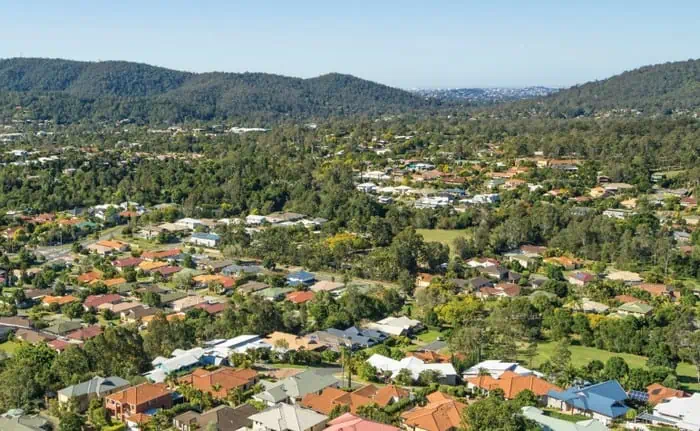
The Gap property market 2026 tells two stories at once. It remains one of Brisbane’s most tightly held family suburbs, but the heat that defined the past few years has come out of it. After a long strong run, Brisbane’s growth has stalled through the middle of 2026. Listings are building, homes are taking longer to sell, auction crowds have thinned and buyers finally have room to negotiate again. If you have been waiting for a calmer, fairer market to buy with the help of a Buyer’s Agent in The Gap, this is closer to it than anything we have seen in a while.
The median house price sits at $1,410,000 as of July 2026. The twelve-month figure still reads as growth of around 10%, but almost all of that was banked earlier in the cycle. Right now the market is flat to easing, and for a buyer that shift matters far more than the headline number.
The Gap Market Profile – July 2026
| Property Type | Median Price | 12-Month Change | Average Days on Market |
|---|---|---|---|
| Houses | $1,410,000 | Around 10% (mostly earlier in the cycle) | Around 15 days |
| Units and Townhouses | $1,060,000 | Thin volume, see below | Around 12 days |
The Gap is a true house suburb. Only around 29 units and townhouses came to market over the last year, so the unit median moves on very thin volume and is best read as indicative. The annual growth figure is backward looking. On the ground in the middle of 2026, values have flattened and in places come back from their peak.
What Has Changed in 2026
The wider Brisbane market has shifted from confidence to caution. Values that were rising quickly through 2025 have essentially stalled, with the city barely moving month to month by mid 2026. Advertised listings are up sharply, roughly 13 to 14% higher than a year ago, largely because properties are sitting longer before they sell. Auction clearance rates have fallen and open homes that drew thirty groups a few months ago are now drawing a handful.
None of this is a crash. It is a market coming off the boil after a big run, and the gap between what sellers still hope to get and what buyers are willing to pay has widened. For a prepared buyer, that gap is opportunity. There is more stock to choose from, more time to do proper due diligence, less competition and genuine negotiating power for the first time in years.
A Valuer’s Perspective on The Gap in a Softer Market
A softening market is exactly when independent valuation advice earns its keep. When prices were running, almost anything sold. Now the market is separating the well-bought from the overpaid, and that line is not always obvious from a price guide.
The single number I would point any buyer to is the spread. The middle of the house market sits at $1,410,000, but the range runs from around $1,252,000 at the lower quartile to $1,695,000 at the upper quartile. That $440,000 gap is the position premium in The Gap, written in one line. It is the difference between a leafy elevated block with a north-facing outlook and a lower-lying home near Enoggera, Fish or Gap Creek, or one backing onto bushland with a bushfire overlay. In a hot market those differences got blurred. In this one they are everything.
The biggest risk I see right now is buying against vendor price expectations that have not yet caught up with the market. Some sellers are still anchored to what a neighbour achieved a year ago. My job is to tell you what a property is worth today, not last spring, and to hold that line in the negotiation. That is exactly the work I do for every client.
The renovated versus original question also matters more now. The Gap has a deep stock of solid post-war brick homes from the 1960s and 1970s. Building costs mean people paid big premiums for finished houses through the boom, while an original home might sit at the entry of the market and need $100,000 to $200,000 of work. With heat coming out of the market, that premium is worth testing hard. In The Gap the land and the position hold the value, not the kitchen.
Three Things to Watch When Buying in The Gap Property Market 2026
1. Bushfire and Flood Overlays
The Gap’s bushland setting is its greatest lifestyle asset and its most misread risk. Large parts of the suburb along the D’Aguilar National Park edge fall within a bushfire overlay, which can affect insurance, construction requirements and resale. Lower-lying streets near Enoggera, Fish and Gap Creeks also need a proper flood check. Pull the Brisbane City Council overlay and flood maps before you bid, not after.
2. Catchment Boundaries
The Gap State School, Payne Road and Hilder Road catchments are a real driver of land value, not just a lifestyle choice. I have seen buyers pay a catchment premium for a home that turned out to sit just outside the zone. Verify the boundary before you commit. It can cost you six figures at resale.
3. Buying Against Stale Comparables
In a market that has turned, last year’s sale prices flatter today’s asking prices. Vendor guides and even some agent appraisals lag the market on the way down. Price the property on what is selling now, in this pocket, in this condition, and let the softer conditions work in your favour rather than paying yesterday’s price.
Why The Gap Holds Up When the Market Softens
Blue-chip family suburbs like The Gap tend to hold their value better than the broader market through a downturn, and the reasons are structural. Large blocks, almost no high-density development, an owner-occupier rate above 83% and some of the best bushland access in the city keep quality stock tightly held. Owners here do not have to sell, so fewer distressed listings hit the market and the best homes still find buyers.
That resilience is real, but it is not immunity. Even in The Gap, an overpriced or compromised property will now sit, and the negotiating room that has opened up is genuine. The opportunity in 2026 is to buy a quality home in the right pocket without the frenzy, and without overpaying for the privilege.
Recent Sales in The Gap
Three recent sales that show the spread across the suburb.
- 30 Bernarra Street, The Gap, Qld 4061. Sold 6 July 2026 for $1,042,500. Near the entry of the house market.
- 24 Barkala Street, The Gap, Qld 4061. 600m2. Sold 16 July 2026 for $1,539,000. Mid-market family home.
- 34 Toolara Street, The Gap, Qld 4061. 842m2. Sold 18 July 2026 for $1,575,000. Larger block toward the upper quartile.
Frequently Asked Questions About The Gap Property Market
What is the median house price in The Gap in 2026?
The median house price in The Gap in 2026 is $1,410,000 as of July 2026. The twelve-month figure shows around 10% growth, but most of that was gained earlier in the cycle. By the middle of 2026 values had flattened and in some pockets eased back from their peak.
Is The Gap a buyers or sellers market in 2026?
Through the middle of 2026 the balance has tipped toward buyers. Across Brisbane listings are up, homes are taking longer to sell and auction clearances have fallen, which has handed buyers more choice and real negotiating power. The Gap holds up better than most suburbs because stock is tightly held, but even here buyers now have time and leverage they did not have a year ago.
Is now a good time to buy in The Gap?
For a prepared buyer, a calmer market is often a better time to buy than a hot one. There is more stock, more time for due diligence and room to negotiate, and less risk of being pushed into an emotional auction. The key is not to overpay against vendor expectations that have not yet adjusted, which is exactly where independent valuation advice helps.
How long do houses stay on the market in The Gap?
Well-located homes in the best pockets still sell in around 15 days, but selling times across the suburb and the wider city have lengthened as buyers take their time. Overpriced or compromised properties are now sitting rather than selling in the first week, which is a clear sign of the shift.
What is the rental yield in The Gap?
Houses in The Gap return a gross yield of around 3.0%, on a median rent of about $800 per week. Like most blue-chip family suburbs, the return here is in long-term capital growth and land value rather than weekly yield.
Should I buy a renovated or original house in The Gap?
The premium for renovated homes stretched a long way through the boom. With heat coming out of the market, that premium is worth testing. An original post-war home might sit at the entry of the market but need $100,000 to $200,000 of work. In The Gap the land and position hold the value, so a solid home on the right elevated, in-catchment block is usually a safer bet than paying top dollar for someone else’s renovation.
How does The Gap unit market compare to houses?
The Gap is a true house suburb. Very few units and townhouses trade here, so the unit median of around $1,060,000 sits on thin volume and moves more than the house figure. Townhouses can be a sensible entry point for buyers who want the suburb and the schools without a large block to maintain, but houses are the main game.
What suburbs are similar to The Gap?
The closest comparisons are neighbouring Ashgrove and Bardon, which share the inner-west schools, character housing and family demand. What sets The Gap apart is its scale of bushland, its larger blocks and its very high owner-occupier rate, which give it a quieter, more suburban feel than its neighbours closer to the city.
Ready to Buy in The Gap? Let’s Talk Strategy First
A softening market is the one where getting the numbers right matters most. When everything was selling, mistakes were hidden by rising prices. Now they are not. The difference between a smart purchase and an expensive one in 4061 comes down to position, catchment, condition and paying today’s price rather than last year’s.
I’m Sam Price, a Registered Property Valuer and Buyer’s Agent, and I live in Ashgrove right next to The Gap. I know which streets hold their value and which ones don’t, where the overlays bite and where the real value sits before it shows up in the data. As an independent Buyer’s Agent and Director at Templeton Property, I work for you, not the vendor.
Whether you’re weighing up an original home that needs work or trying to price a premium block on the right ridge, I’ll give you the numbers you need before you sign anything, and I’ll use the negotiating room this market has opened up.
Book a discovery call and let’s look at the property you’re considering, or help you find the right one.
Sam Price